
Understanding Threat Intelligence: What Every Business Should Know

Explore the fundamentals of threat intelligence and its importance in proactive cybersecurity strategies.

April 28, 2025 1 min read

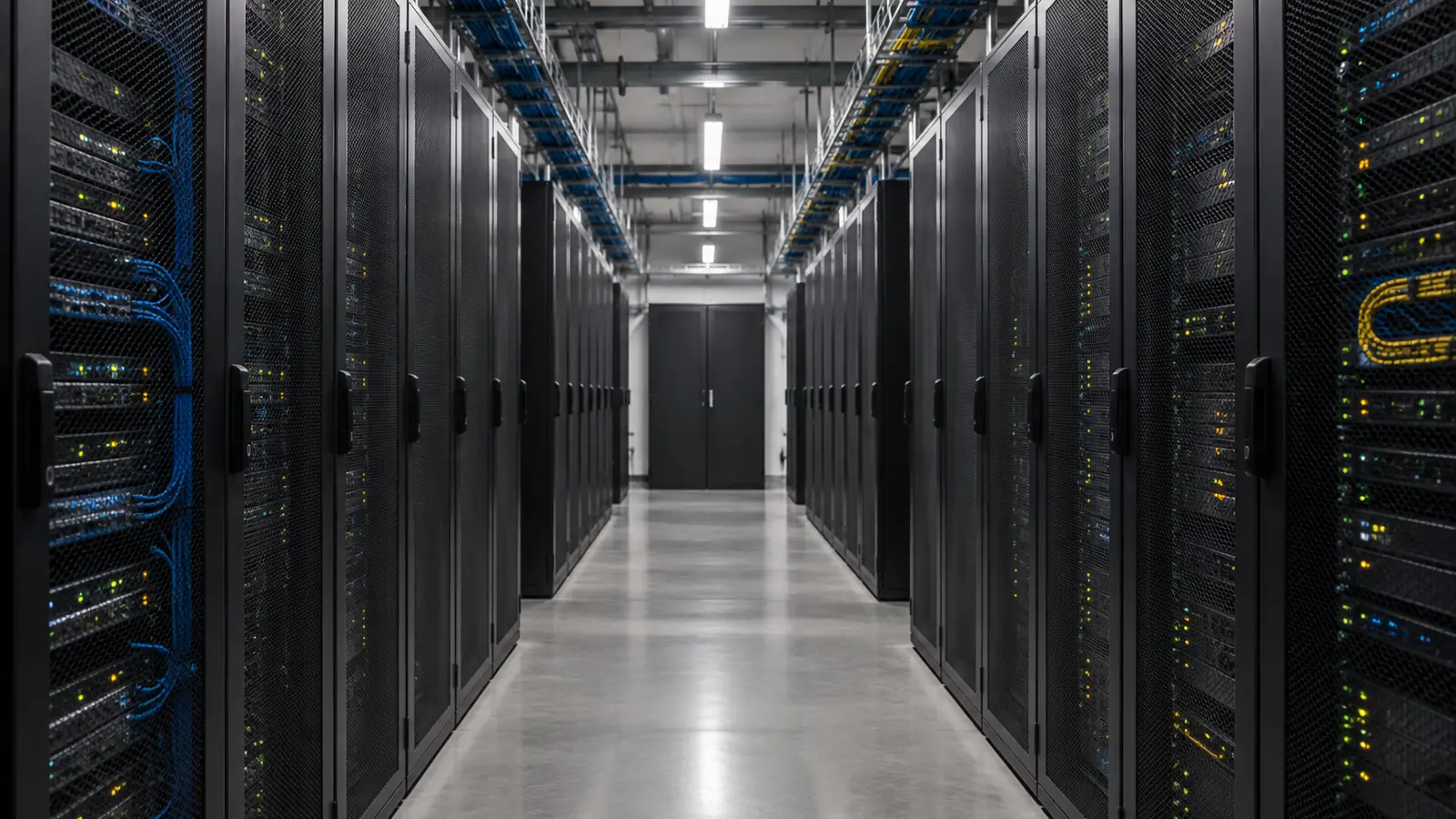
Server room aisle with racks and cabling Made with AI
Contents
  1. What Is Threat Intelligence?
  2. Why Every Business Needs Threat Intelligence
  3. How to Get Started

Threat intelligence is a critical component of modern cybersecurity strategies, offering businesses the ability to anticipate and mitigate potential cyber risks before they materialize. By understanding how threat actors operate and identifying vulnerabilities, companies can stay ahead in the ever-evolving cyber threat landscape.

What Is Threat Intelligence?

Threat intelligence involves collecting, analyzing, and interpreting data about potential cyber threats. This process enables organizations to make informed decisions to protect their systems, data, and users from malicious activities.

From phishing campaigns to advanced persistent threats (APTs), threat intelligence helps businesses identify patterns and predict potential attack scenarios, allowing them to strengthen their defenses proactively.

Why Every Business Needs Threat Intelligence

In a digital-first world, cyber threats are becoming more sophisticated and targeted. Threat intelligence provides businesses with the tools to understand and counteract these evolving risks. Benefits include:

  • Enhanced visibility into the threat landscape.
  • Proactive risk management and mitigation.
  • Improved incident response through actionable insights.

By integrating threat intelligence into their cybersecurity strategies, businesses can not only protect themselves but also create a safer environment for their customers and partners.

How to Get Started

Implementing a threat intelligence program requires a combination of technology, expertise, and collaboration. Businesses can begin by partnering with trusted providers, investing in threat analysis tools, and training their teams to recognize and respond to potential threats.


This article was reviewed with AI tools for proofreading and error checking. Despite these checks it may contain inaccuracies: for compliance decisions, always refer to the official texts.

Self-assessment · NIST CSF 2.0 · ISO 27001

Cyber Check-up

A self-assessment that returns your company's cyber profile: its security posture and the recommendations to mitigate risks and start your cybersecurity journey.

Our service

Threat Intelligence

The threat intelligence behind Threat Blocker and Cloud Defender, to consult in Cyber Console or through the API: the crime score and reports for every IP, domain, URL or file.

Learn more
Share this post:

Related news

May 29, 2025

Cybersecurity Update - Week 22 of 2025

Aegister's weekly cybersecurity update for Week 22 of 2025, covering major threats, trends, regulatory changes (NIS 2, DORA), GRC topics, and interna…

April 29, 2025

The Aegister Method: A Structured Approach to Cybersecurity

Aegister's cybersecurity method is a structured, personalized process designed to protect businesses with precision, starting from risk analysis to c…

April 12, 2025

Cyber Threats 2025: The Most Common Attacks and How to Defend Against Them

An in-depth look at the most common cyber threats in 2025 from ransomware to supply chain attacks and how organizations can defend themselves using s…